
The Technology Changing Everything
3D-printed additive construction is not just a faster way to build a house. It is a systemic disruption to one of the most entrenched and damaging crises in modern society — the unaffordability and inaccessibility of housing. Here is what the technology does, and what it means for real people, real communities, and the real economy.
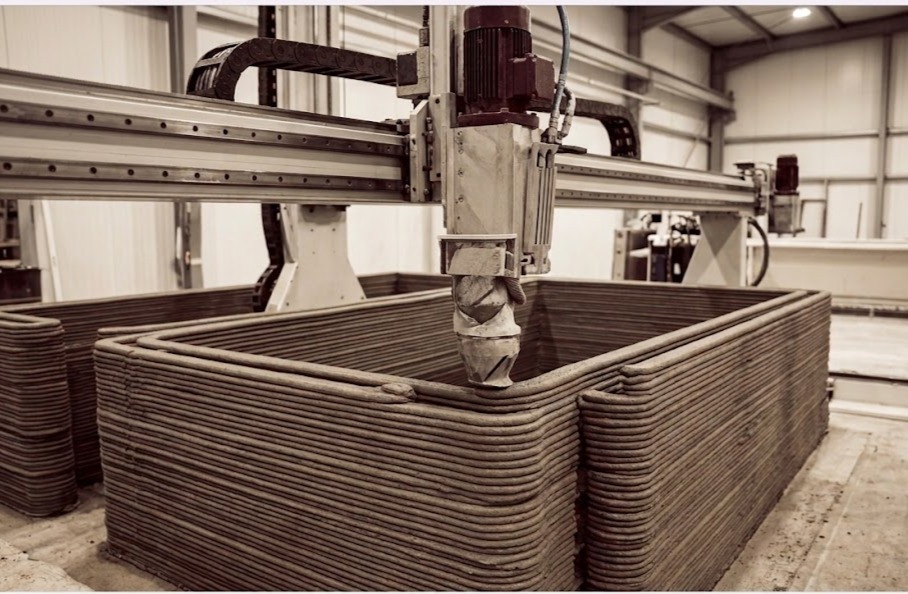
Additive Construction
How It Works
Traditional Construction — The Problem
- Cost: Traditional framing and masonry costs $150–$300 per square foot, with unpredictable labor inflation and aggressive material waste.
- Time: A standard structural shell takes months to complete, stretching families in housing crisis further into instability with every delay.
- Waste: Conventional builds generate an estimated 30–40% material waste on average — a significant environmental and financial loss.
3D-Printed Additive Construction — The Solution
- Cost: Additive construction delivers comparable structures at $70–$150 per square foot — up to 45% less than traditional builds.
- Speed: A 3D-printed structural shell deploys in under 48 hours per unit, using automated 24/7 printing cycles with no weather delays.
- Precision: Materials are extruded down to the millimeter via automated telemetry — near-zero waste, fixed predictable costs, every time.
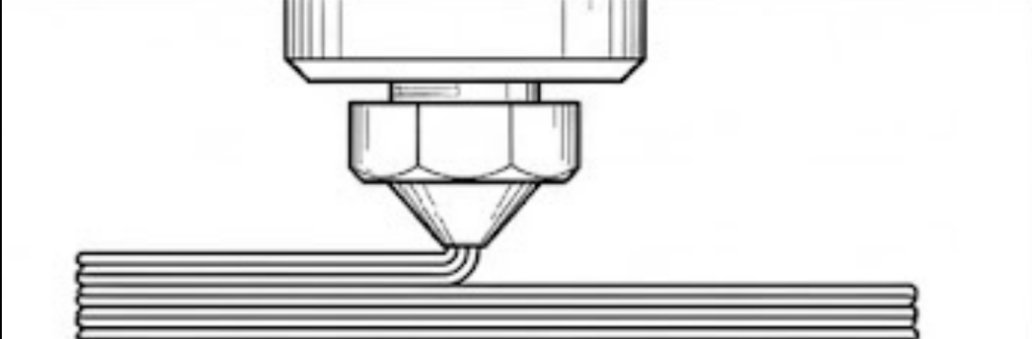
The Material: Forge Mix
Our printing infrastructure uses a high-performance, rapid-curing composite mixture engineered specifically for structural permanence. The Forge Mix aggregate is thermally optimized, highly resistant to extreme environmental stress, formulated to cure to full load-bearing strength upon extrusion, and composed of low-carbon materials that qualify for government sustainability grants.
What This Technology Means
For the Individual
A family without stable housing is a family in crisis — at every level. Children fall behind in school. Adults cannot maintain employment. Mental and physical health deteriorate under the constant pressure of instability. 3D-printed construction changes the timeline from crisis to stability from years to weeks. A permanent, high-quality home — built in under 48 hours — is not just shelter. It is the platform from which every other part of a person's life can be rebuilt. Access to housing is access to everything: education, employment, health, dignity, and the future.
For the Community
When communities have access to affordable, permanent housing at scale, the downstream effects are profound. Homelessness costs taxpayers an average of $35,578 per person per year in emergency services, hospitalization, and incarceration. Permanent housing costs $12,800 per person per year. A community that deploys 3D-printed housing infrastructure is not just solving a humanitarian crisis — it is making a fiscally responsible decision that frees up public resources for schools, parks, economic development, and everything else that makes a neighborhood worth living in.
And because our model trains and employs local community members to build the homes, the economic activity stays in the community. The wages earned, the skills developed, and the businesses built around the technology all compound locally — creating a self-sustaining economic engine rather than an outside intervention.
For the Economy
The United States spends an estimated $30–40 billion per year managing homelessness — without solving it. That is not investment. That is the cost of inaction.
3D-printed additive construction offers a path to recapture that spending as productive economic output. Every home built creates skilled jobs. Every trained worker becomes a taxpayer and consumer. Every stable family reduces public service demand and increases workforce participation. The technology also positions communities — and the nation — as leaders in the fastest-growing segment of the global construction industry. The global 3D-printed construction market is projected to reach $1.5 trillion by 2030. The communities that build the workforce and infrastructure now will lead that market — and capture its economic returns.
For the Environment
Traditional construction is one of the most carbon-intensive industries on the planet. 3D-printed additive construction uses low-carbon composite materials, near-zero material waste, and a significantly smaller construction footprint. Our builds qualify for government sustainability grants — meaning the environmental benefit also translates directly into cost savings and funding opportunities. We are building homes that are good for the people who live in them, good for the communities around them, and good for the planet they all share.
Ready to invest in the technology that changes everything?
Partner With UsThe numbers behind why this technology matters