
The Human Cost
Why It Matters
“Homelessness is not just a personal crisis. It is a communal wound — and it costs all of us.”
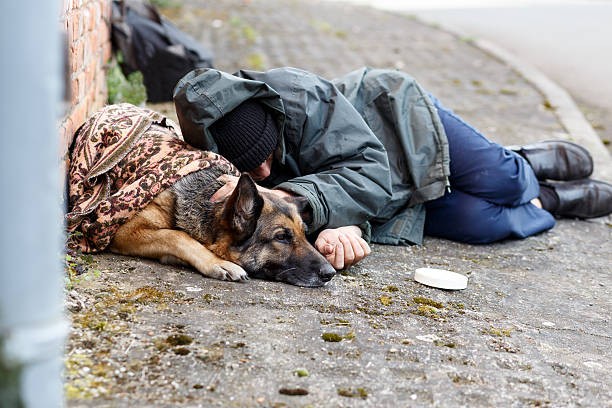
What It Does to a Person
Homelessness is not simply the absence of a roof. It is a full-system breakdown of a human being.
More than 85% of homelessness is triggered by systemic failures — eviction, job loss, medical debt, domestic violence — not personal irresponsibility. Once a person loses stable housing, the consequences compound rapidly.
Mentally, the toll is devastating. A 2024 JAMA systematic review found that 67% of people experiencing homelessness have a diagnosable mental health disorder, and 77% will experience one over their lifetime. Chronic stress, constant exposure to danger, and the daily humiliation of instability rewire the brain. Depression, anxiety, PTSD, and psychosis are not just common among the unhoused — they are predictable outcomes of the conditions they are forced to endure.
Physically, people experiencing homelessness suffer at rates far above the general population: higher incidence of diabetes, hypertension, heart disease, Hepatitis C, HIV, and respiratory illness. Exposure to weather extremes, inconsistent nutrition, and lack of access to medication turns manageable conditions into life-threatening ones. Homeless individuals spend an average of four days longer per hospital visit than comparable housed patients — not because their conditions are different, but because they have nowhere safe to recover.
Employment becomes nearly impossible without a stable address, a place to sleep before a shift, clean clothes, or a phone number to put on an application. Each day spent surviving on the street is a day further from the workforce — and the longer someone is unhoused, the harder re-entry becomes.
And then there is the dignity. The weight of being invisible. Of being moved along, ticketed, and criminalized for the simple act of existing without a home.
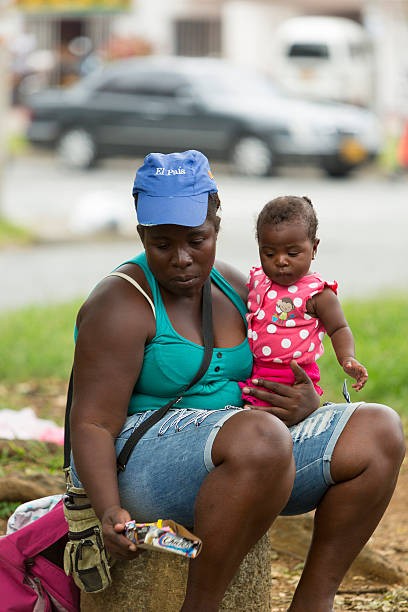
What It Does to Families and Children
When a family loses its home, the damage does not stop at the front door.
Nearly 150,000 children were counted among the unhoused in 2024 — a record high. Children experiencing homelessness are more likely to miss school, fall behind academically, experience developmental delays, and carry the psychological weight of instability into adulthood. Homelessness disrupts the one thing children need most: consistency.
Single parents — disproportionately women — face the impossible math of keeping children fed, clothed, and enrolled while navigating shelter waitlists, unsafe environments, and a job market that does not accommodate crisis. Over 3.5 million households faced eviction risk in 2024 alone, with filings up 12% nationally. Women-headed households and households of color face the highest rates.
Veterans who return home from service carrying physical and psychological wounds find a system that is poorly equipped to catch them. More than 35,000 veterans were experiencing homelessness in 2024. The VA has documented that housing with wraparound services costs significantly less than the combined expense of emergency healthcare, criminal justice involvement, and social services for an unhoused veteran.
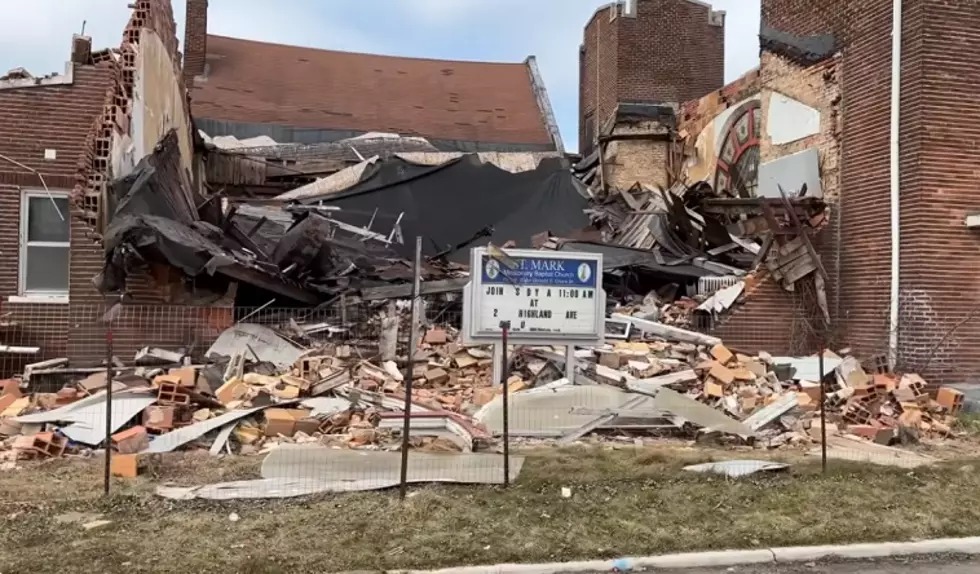
What It Does to Communities
A community with widespread homelessness is a community that is paying for it — whether it chooses to or not.
The numbers are stark. A chronically homeless person costs taxpayers an average of $35,578 per year through emergency services, hospitalization, and incarceration — compared to $12,800 per year for permanent supportive housing. That is nearly three times the cost to do nothing versus doing something.
In Los Angeles, people experiencing homelessness accounted for $65.5 million in jail costs in a single fiscal year. In Denver, providing safety net services to just 250 long-term homeless individuals cost the city $7.3 million annually. Studies show that criminalizing homelessness — ticketing, arresting, moving people along — costs taxpayers three times more than simply providing housing.
Permanent housing changes everything. When housed, healthcare costs drop by 59%. Emergency room visits decrease by 61%. Inpatient hospitalizations fall by 77%. Every $1 spent on eviction prevention saves $4 to $5 in downstream crisis costs.
Beyond the dollars: communities with visible homelessness experience reduced economic activity, lower property investment, strained public services, and a deteriorating sense of collective safety and civic pride. The problem does not stay in one neighborhood. It spreads — and it touches everyone.
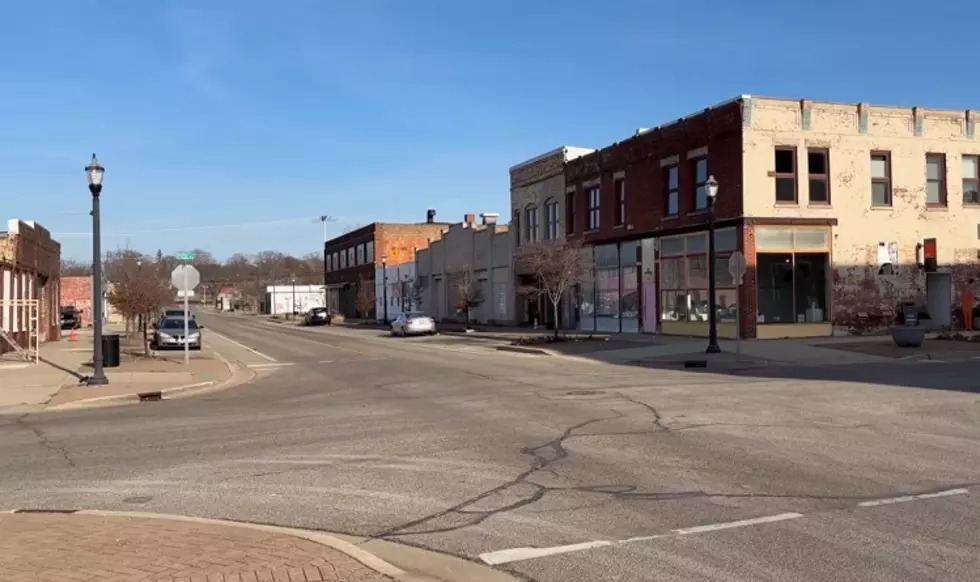
What It Does to the Economy
Homelessness is an economic inefficiency at massive scale.
The total annual cost of homelessness in the United States — across emergency services, healthcare, and incarceration — is estimated at $30 to $40 billion per year. That is money spent managing a crisis that could be spent ending it.
Families experiencing homelessness face chronic employment instability, resulting in lost wages and increased dependency on public assistance. Youth who experience homelessness are significantly more likely to drop out of school, reducing their lifetime earning potential and their contribution to the tax base. The downstream economic losses compound across generations.
Meanwhile, the affordable housing shortage continues to suppress economic mobility for millions of working Americans. A full-time worker earning the median wage cannot afford a two-bedroom apartment at fair market rent in nearly any major U.S. city. That is not a personal failure. That is a structural one — and it depresses consumer spending, workforce participation, and community investment at every level.
The solution is not more emergency spending. It is infrastructure. It is permanent, affordable housing deployed at scale — fast enough to matter, affordable enough to last, and built by the communities that need it most.
Why You Should Care — Even If You Are Housed
This crisis is not happening to someone else in some other city. It is happening in every zip code, every county, and every congressional district in America. It is affecting the schools your children attend, the neighborhoods you drive through, the taxes you pay, and the kind of society you are leaving behind.
You do not have to be homeless to be harmed by homelessness. And you do not have to be a policymaker, a developer, or a billionaire to be part of the solution.
Project Rebirth is building the infrastructure that makes housing affordable, accessible, and permanent — not as charity, but as an economic and moral imperative. We need partners who bring capital. We need volunteers who bring time. We need donors who believe that a world where every person has a safe place to sleep is worth investing in.
This is the solution. And it takes all of us.